Every piece of the smart stack
Filter by what you're actually trying to do. Each vendor is independently vetted — no sponsored placement, no affiliate links influencing rank.
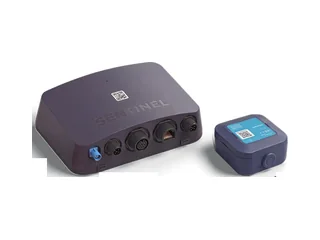
Sentinel Marine
Global IoT platform for leisure-boat monitoring, headquartered in Croatia with engineering in Ljubljana. Works with OEMs and fleet operators; connectivity plus remote control built in.
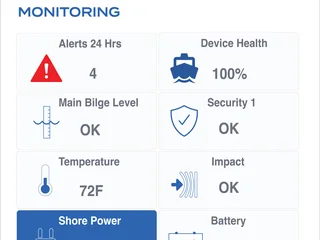
ArmIt Marine
Battery-powered MAX sensors on ArmIt's private EarthSmart Maritime Network (not cellular; coverage by location) — no hub, no dock Wi-Fi. Bilge, battery, motion, temperature, shore power.
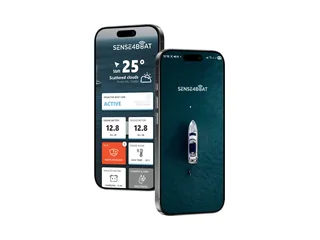
Sense4Boat
Autonomous smart marine sensors on a low-power cellular IoT network (NB-IoT, T-Mobile coverage in the US) — no Wi-Fi and no boat power required. Fifteen-minute install.
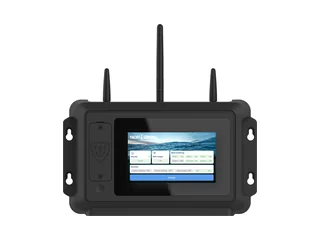
Yacht Sentinel
Paris-based pioneer in connected boat monitoring. The YS Pro pairs 3G/4G coverage in 100+ countries with NMEA 2000 data, built-in battery monitoring and wireless bilge, smoke and intruder sensors.
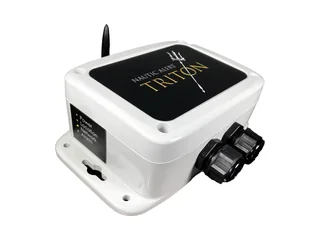
Nautic Alert
High-end monitoring and security with integrated satellite comms — geared to serious cruisers and boats away from cellular coverage.
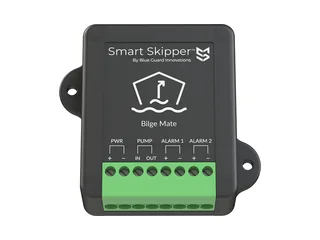
Blue Guard Innovations
Smart Skipper app-based monitoring and control (bilge, battery, temperature, GPS, tanks and security), plus solid-state bilge switches, high-water alarms and commercial fire-watch systems.
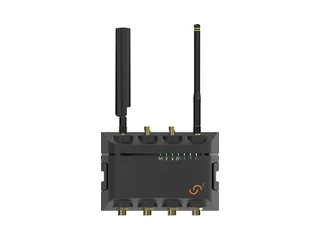
Siren Marine
Cellular-connected boat monitoring with GPS tracking, geofencing, and deep integration — now owned by Yamaha and embedded into many new OEM builds.
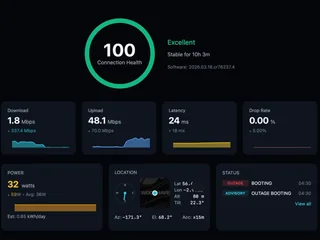
Nexus Telemetry
Cross-platform desktop app that reads Starlink telemetry locally from the dish — connection health, throughput, latency, obstruction maps, and satellite tracking. One-time purchase, no cloud account.
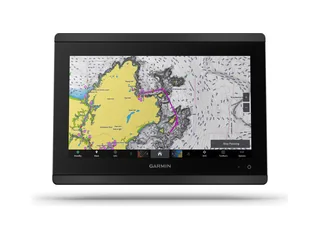
Garmin Marine
Chartplotters, sonar, radar, autopilot, and the OneHelm / OneBoat app ecosystem — one of the largest integrated marine platforms in the world.
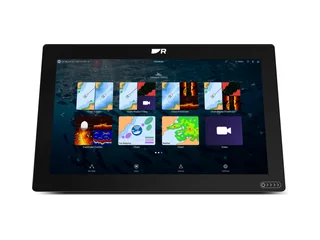
Raymarine
Axiom MFDs, LightHouse OS, Evolution autopilots, DockSense assisted docking. Strong integrated suite — popular on power and sail alike.
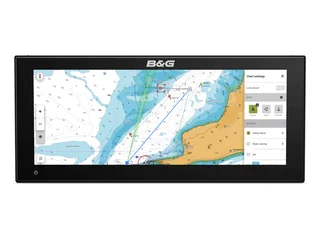
B&G
Sailing-centric chartplotters from the Navico family, led by the Zeus SR (2025) and Zeus S — SailSteer, laylines and wind-aware routing for serious sailors.
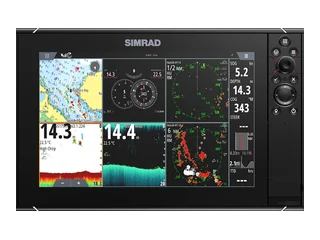
Simrad
NSS 4 (launched 2025) and NSX multifunction displays, plus the continuation of Robertson autopilot heritage — widely regarded as one of the strongest AP systems for power cruisers.
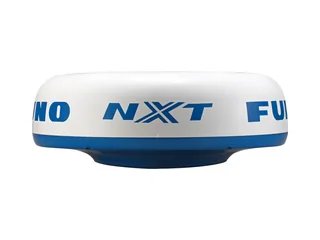
Furuno
NavNet TZtouch MFDs, TZ Cloud for shore-side route planning, and the industry standard for serious commercial and sportfishing radar.
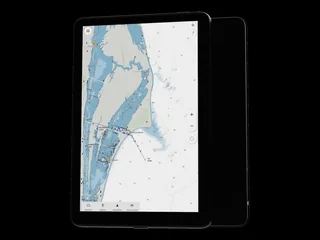
Orca
Modern tablet-first chartplotter with proper offline charts, AIS, autopilot control and a mobile app that actually feels built in this decade.
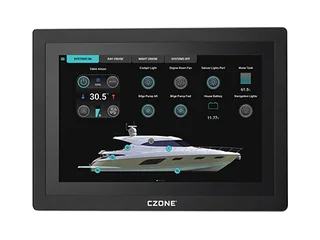
CZone
NMEA 2000–certified digital switching from Navico — replaces relay panels with networked modules, integrates with Simrad / B&G / Garmin MFDs, and powers OEM-branded boat apps via CZone Mobile.
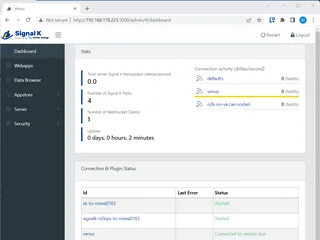
Signal K
The open marine data standard. A JSON-over-WebSocket format plus a self-hosted server that becomes the data hub for your whole boat.
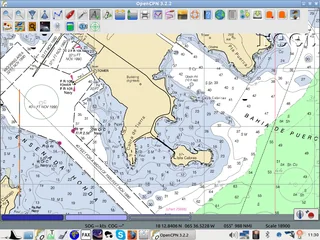
OpenCPN
Free, cross-platform navigation software with Signal K support, AIS, radar overlay, and a vast plugin ecosystem built by active cruisers.
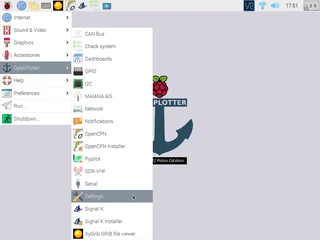
OpenPlotter
Raspberry Pi–based OS that bundles Signal K, OpenCPN, and a stack of plugins into a ready-made onboard navigation computer.
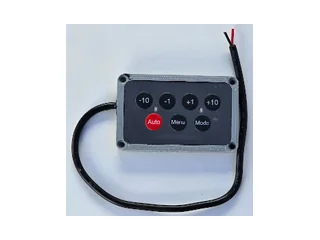
PyPilot
Open-source sailing autopilot that runs on a Raspberry Pi — a serious alternative when you want full control and no subscription lock-in.
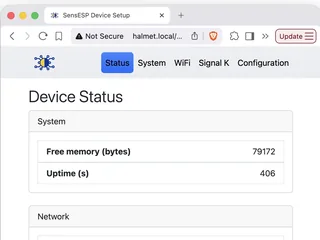
SensESP
ESP32-based toolkit for building custom Signal K–compatible sensors: tank levels, engine temps, voltages — whatever your boat actually needs.
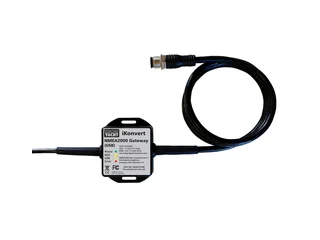
Digital Yacht
iKommunicate, NavLink2, iKonvert — gateways that translate between NMEA 0183, NMEA 2000, Signal K, and modern Wi-Fi networks.
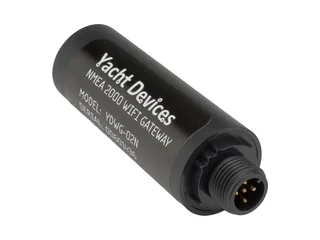
Yacht Devices
Wi-Fi and USB gateways, engine interfaces, tank adapters, and NMEA loggers — the Swiss-army-knife brand for NMEA 2000 tinkering.
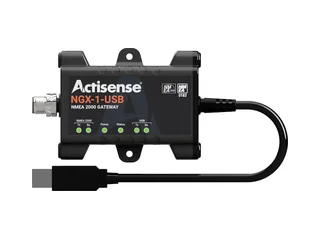
Actisense
Professional-grade NMEA 2000 gateways, buffers, and interfaces — the name most boatbuilders specify when integration has to just work.
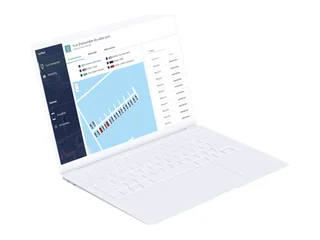
Wattson Elements / FALCO
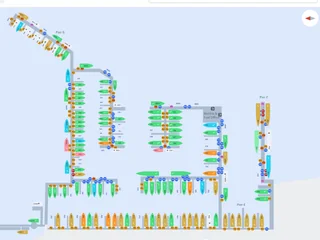
IoT marina-management platform that detects berth occupancy with wireless sensors — helps harbormasters maximise occupancy and offer new services.
Dockwa
Reservation and marina-management software connecting boaters and marinas — the booking.com of transient dockage in North America.
Oceanic Systems
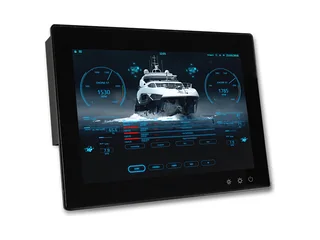
NMEA 2000 tank senders, digital switching, and monitoring hardware commonly specified on superyachts and commercial marine builds.
Product photos and screenshots courtesy of the vendors. OpenCPN screenshot via Wikimedia Commons (public domain). OpenPlotter screenshot from OpenMarine, CC BY-SA 4.0; our cropped version is shared under the same license.