An independent directory of the vendors, platforms and guides for the connected boat. Honest buyer's guides, real three-year costs, and no sponsored placements.
27 vendors and 31 buyer's guides, re-verified against manufacturer sources in November 2026. No vendor has ever paid to be listed here.
Free tools: the boat monitoring picker (which system, and its three-year cost), the marine internet planner (Starlink, cellular or marina Wi-Fi, with yearly cost), the boat power budget calculator, the wire gauge & fuse calculator and the NMEA 2000 gateway picker. All tools →
Whiskey Jack
Slip B-17, Clearwater Beach Marina
Reported 2 minutes ago
Clearwater Harbor, FloridaSoundings in meters at mean lower low water. Drawn from the NOAA electronic navigational chart (public domain). Not for navigation.
Six common situations. Pick the one closest to yours and we'll send you to the guide or tool that answers it.
Filter by what you're actually trying to do. Each vendor is independently vetted — no sponsored placement, no affiliate links influencing rank.
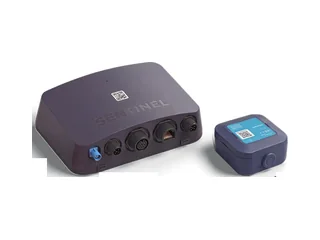
Global IoT platform for leisure-boat monitoring, headquartered in Croatia with engineering in Ljubljana. Works with OEMs and fleet operators; connectivity plus remote control built in.
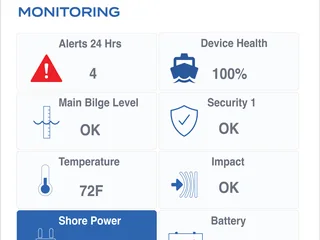
Battery-powered MAX sensors on ArmIt's private EarthSmart Maritime Network (not cellular; coverage by location) — no hub, no dock Wi-Fi. Bilge, battery, motion, temperature, shore power.
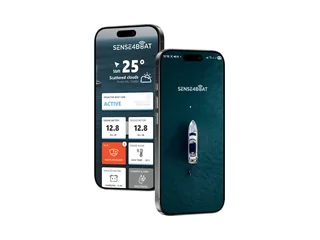
Autonomous smart marine sensors on a low-power cellular IoT network (NB-IoT, T-Mobile coverage in the US) — no Wi-Fi and no boat power required. Fifteen-minute install.
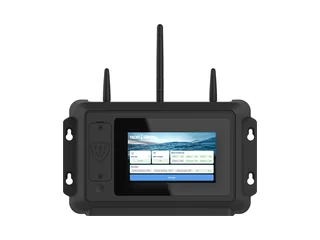
Paris-based pioneer in connected boat monitoring. The YS Pro pairs 3G/4G coverage in 100+ countries with NMEA 2000 data, built-in battery monitoring and wireless bilge, smoke and intruder sensors.
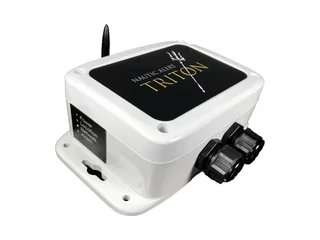
High-end monitoring and security with integrated satellite comms — geared to serious cruisers and boats away from cellular coverage.
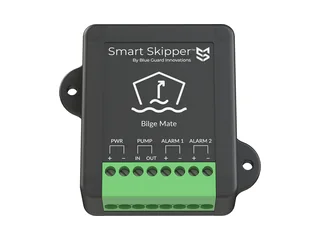
Smart Skipper app-based monitoring and control (bilge, battery, temperature, GPS, tanks and security), plus solid-state bilge switches, high-water alarms and commercial fire-watch systems.
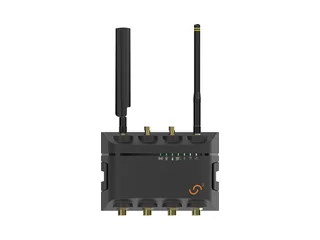
Cellular-connected boat monitoring with GPS tracking, geofencing, and deep integration — now owned by Yamaha and embedded into many new OEM builds.
Boat monitors for battery, bilge, temperature and GPS with email and SMS alerts, in WiFi, cellular and NMEA 2000 versions; LTE models cover North America. Cellular reporting needs the paid Enhanced plan, and the N2K models read nav, wind and AIS data but not engine data.
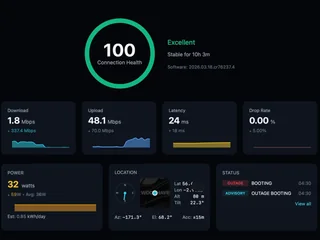
Cross-platform desktop app that reads Starlink telemetry locally from the dish — connection health, throughput, latency, obstruction maps, and satellite tracking. One-time purchase, no cloud account.
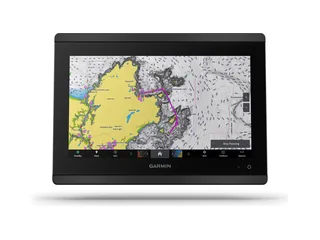
Chartplotters, sonar, radar, autopilot, and the OneHelm / OneBoat app ecosystem — one of the largest integrated marine platforms in the world.
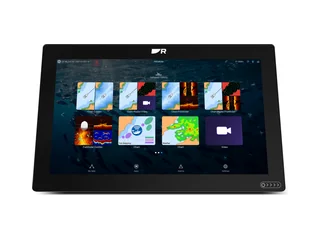
Axiom MFDs, LightHouse OS, Evolution autopilots, DockSense assisted docking. Strong integrated suite — popular on power and sail alike.
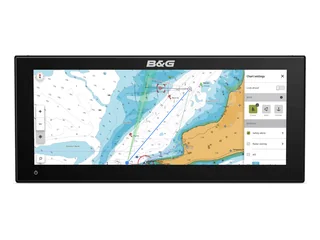
Sailing-centric chartplotters from the Navico family, led by the Zeus SR (2025) and Zeus S — SailSteer, laylines and wind-aware routing for serious sailors.
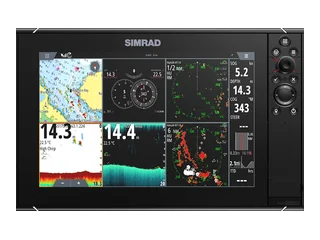
NSS 4 (launched 2025) and NSX multifunction displays, plus the continuation of Robertson autopilot heritage — widely regarded as one of the strongest AP systems for power cruisers.
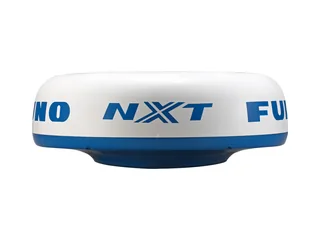
NavNet TZtouch MFDs, TZ Cloud for shore-side route planning, and the industry standard for serious commercial and sportfishing radar.
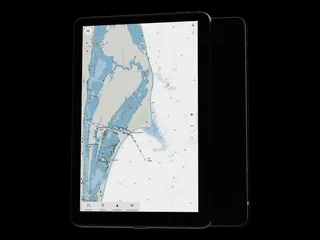
Modern tablet-first chartplotter with proper offline charts, AIS, autopilot control and a mobile app that actually feels built in this decade.
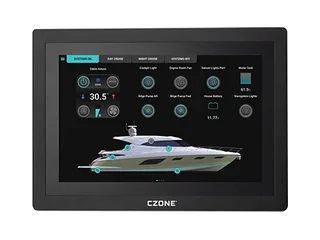
NMEA 2000–certified digital switching from Navico — replaces relay panels with networked modules, integrates with Simrad / B&G / Garmin MFDs, and powers OEM-branded boat apps via CZone Mobile.
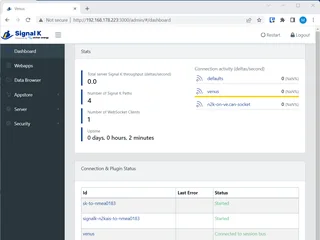
The open marine data standard. A JSON-over-WebSocket format plus a self-hosted server that becomes the data hub for your whole boat.
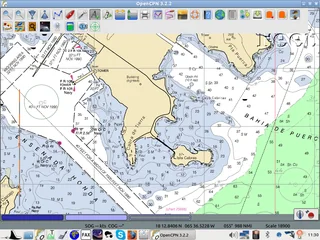
Free, cross-platform navigation software with Signal K support, AIS, radar overlay, and a vast plugin ecosystem built by active cruisers.
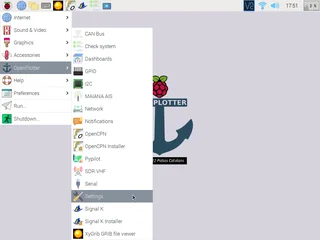
Raspberry Pi–based OS that bundles Signal K, OpenCPN, and a stack of plugins into a ready-made onboard navigation computer.
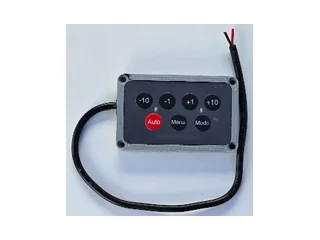
Open-source sailing autopilot that runs on a Raspberry Pi — a serious alternative when you want full control and no subscription lock-in.
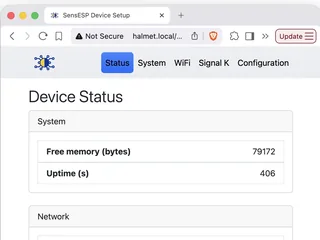
ESP32-based toolkit for building custom Signal K–compatible sensors: tank levels, engine temps, voltages — whatever your boat actually needs.
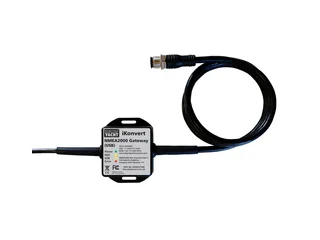
iKommunicate, NavLink2, iKonvert — gateways that translate between NMEA 0183, NMEA 2000, Signal K, and modern Wi-Fi networks.
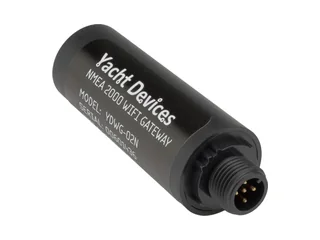
Wi-Fi and USB gateways, engine interfaces, tank adapters, and NMEA loggers — the Swiss-army-knife brand for NMEA 2000 tinkering.
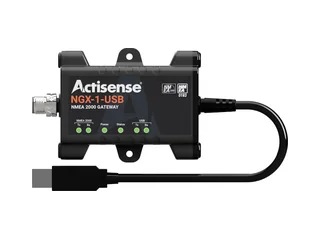
Professional-grade NMEA 2000 gateways, buffers, and interfaces — the name most boatbuilders specify when integration has to just work.
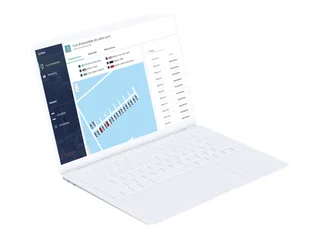
IoT marina-management platform that detects berth occupancy with wireless sensors — helps harbormasters maximise occupancy and offer new services.
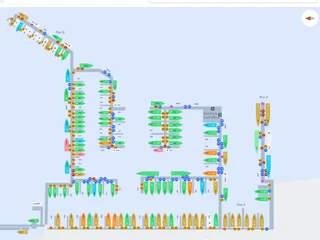
Reservation and marina-management software connecting boaters and marinas — the booking.com of transient dockage in North America.
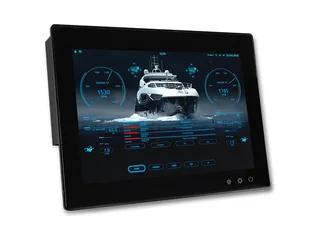
NMEA 2000 tank senders, digital switching, and monitoring hardware commonly specified on superyachts and commercial marine builds.
Product photos and screenshots courtesy of the vendors. OpenCPN screenshot via Wikimedia Commons (public domain). OpenPlotter screenshot from OpenMarine, CC BY-SA 4.0; our cropped version is shared under the same license.
We analyzed every cellular-connected boat monitoring system currently shipping. Real 3-year costs, actual coverage maps, vendor durability — and the specific reason we recommend different systems for different boats.
Read the full guide →All 31 long-form guides, grouped by what you're trying to do. We pick winners, show our math, and date every price check.
Know what is happening aboard when you are not there. Tool: Boat monitoring picker →
Siren 3 Pro is our top pick, Siren 3 is our budget pick, ArmIt BilgeMAX One is the no-hub alternative for boats without shore power. We compare twelve systems on 3-year total cost, network quality, NMEA 2000 integration, and vendor durability.
Sailboat bilges are a different animal — heel, mast interference, mooring-field power constraints. We explain what actually matters, why float switches are problematic for sailboats, and pick the right system for coastal, trailer, and offshore cruisers.
The three most commonly recommended cellular monitors, compared round-by-round across ten criteria. Each one wins at something — we walk through which fits which kind of boat, and how the real 3-year costs compare.
If you refuse to pay ongoing fees, what are your real options? Glomex ZigBoat is our top pick, the open-source stack is the tinkerer's answer, and a $103 local alarm is the honest truth for liveaboards.
Spytec Atlas (formerly GL300) hardwired and hidden, Tracki Pro self-powered, Siren 3 Pro integrated monitoring. Cellular vs satellite, install concealment, police recovery realities.
Starlink, cellular, marina Wi-Fi and satellite messaging, and how to combine them. Tool: Marine internet planner →
Starlink Mini vs Standard 4 X vs Performance vs a used Standard Actuated — which setup fits your boat in 2026. Honest pricing, the in-motion and 12-mile rules nobody reads, Ocean Mode, real power budgets, and when you still want Iridium as a backup.
A primer on how cellular, Starlink, and Iridium fit together — when to use each, what the real annual costs are, and how to pick the right combination for your boating. The overview you need before picking specific products.
Pepwave MAX BR1 Pro 5G vs GL-iNet Spitz AX vs MoFi 6500 — a real comparison with pricing, SpeedFusion explained plainly, what antennas you actually need, and clear verdicts for three types of boaters. The GL-iNet at $323 has changed the equation.
GL.iNet Spitz AX, Peplink B One 5G, Pepwave BR1 Pro 5G and Teltonika RUTM50 compared. Plain failover vs SpeedFusion bonding, Starlink bypass mode, setup and backup data plans.
Marina Wi-Fi boosters that are still made in 2026, real range against "7-mile" marketing, marina login pages, the 1-watt legal limit, and three-year costs against cellular and Starlink. Wave WiFi Rogue Pro DB, MikroTik Groove, Digital Yacht 4G Xtream.
Tailscale on Pepwave/GL.iNet, Surfshark + dedicated IP, NordVPN Meshnet. Punching through CGNAT for remote access to your boat, kill-switches, DNS leaks, install reality. Plus the lock-down checklist: boat, crew and guest networks, Starlink bypass mode, zero exposed ports and the factory passwords to change.
Iridium GO! exec, Garmin inReach Mini 2, Zoleo, ACR Bivy Stick — the Starlink backup you actually need. Networks decoded, plans compared, MOB and SOS reality.
Get your boat's data onto a network and build on it yourself. Tool: NMEA 2000 gateway picker →
Yacht Devices YDWG-02, Digital Yacht iKonvert, Actisense NGX-1 — which gateway makes sense for a first-time installer trying to get NMEA 2000 data onto their phone or a Raspberry Pi? We walk through the connection-type decision that drives everything, plus Ethernet gateways like the YDEN-03 for whole-boat networks.
How an NMEA 2000 network is built, the length and load limits, how to power and test the bus, and three starter kits compared: Garmin, Actisense and Digital Yacht.
Our test of a $19 Waveshare adapter that received but never transmitted, how raw CAN adapters differ from gateways, and when to buy a Yacht Devices, CANable or Actisense instead.
The modern marine data protocol — a JSON tree that normalizes NMEA 2000, NMEA 0183, and AIS. Signal K Server, OpenPlotter, signalk-cli — the implementations, plugin ecosystem, and real use cases.
A full Home Assistant build for a boat: Raspberry Pi + Zigbee sensors + Signal K integration. Parts list with Amazon links, step-by-step install, and the six automations every boater should run. $370 total, zero subscriptions.
Pull dish telemetry into Home Assistant — obstruction, throughput, latency, drop rate, power draw, thermal alerts. Native integration, starlink-grpc-tools logging, ping-based failover, and the bypass-mode route gotcha.
Raspberry Pi 5 or an Intel N100/N150 mini PC for Signal K, Home Assistant and a nav-station desktop? How to choose, how to power either from a 12 V battery, how to survive power cuts, and how to connect it to NMEA 2000.
How to feed a Raspberry Pi 5 or mini PC from a boat's 12 V battery: isolated DC-DC converters from Victron and Mean Well, a Pi 5 UPS HAT that takes a boat feed, where the fuse goes, and how to shut down before the power does.
Solar, batteries, monitoring the bank, and going electric. Tool: Boat power budget calculator →
How much solar keeps your monitoring, Starlink, and sensors running off-grid — real watt budgets, three complete kits, and the gear that works.
The charge controller decides how much of your panels' rating reaches the batteries — and whether solar shows up on your boat network. MPPT vs PWM, how to size the X/Y numbers, VE.Direct into Signal K, and LiFePO4 charge profiles. Victron 100/50, Renogy Rover Li 40A, Victron 75/15.
Victron BMV-712 Smart, SmartShunt, Balmar SG200. Shunt-based vs Hall-effect, multi-bank monitoring, NMEA 2000 / Bluetooth integration, install wiring without smoking your boat.
Battle Born drop-in, DIY EVE 280Ah + Overkill Pathfinder BMS, Victron 200Ah + Cerbo GX. Depth of discharge, weight, alternator regulators, real wiring & commissioning sequence.
Torqeedo Travel (1100 W), ePropulsion Spirit 1.0 Plus, Mercury Avator 20e. Real range numbers at displacement vs planing, integrated vs separate-battery designs, throttle telemetry, charging path.
We add companies, open-source projects, and distributors that genuinely move the category forward — not whoever paid most this quarter.